

Key messages
- The manosphere is an umbrella term for online spaces which promote harmful misogynistic messages to young people, particularly boys, with messaging disguised as entertainment, self-improvement, humour or lifestyle content.
- The issue extends beyond online safety to wellbeing, relationships and violence prevention.
- Whilst misogynistic attitudes and gender-based harassment are increasingly evident in schools, teachers can play a critical role in recognising, challenging and preventing harmful influences.
Online misogyny and the manosphere
The influence of the manosphere and aggravated misogyny are escalating concerns amongst schools and education settings. The ideologies of the manosphere are affecting the behaviour and experiences of young people with increasing hostile attitudes and sexist behaviour amongst boys and young men. Whilst misogyny, sexism and harassment have always existed in school environments, the conditions are worsening, particularly for female students and teachers.
What is the manosphere?

The ‘manosphere’ is a term used to describe the global network of online spaces that discuss issues relating to masculinity, gender relations and men’s rights. These online communities are formed of a loose network of podcasts, YouTube channels, Streamers, TikTok, forums, and influencers all talking about men, masculinity, sex, dating, and power.
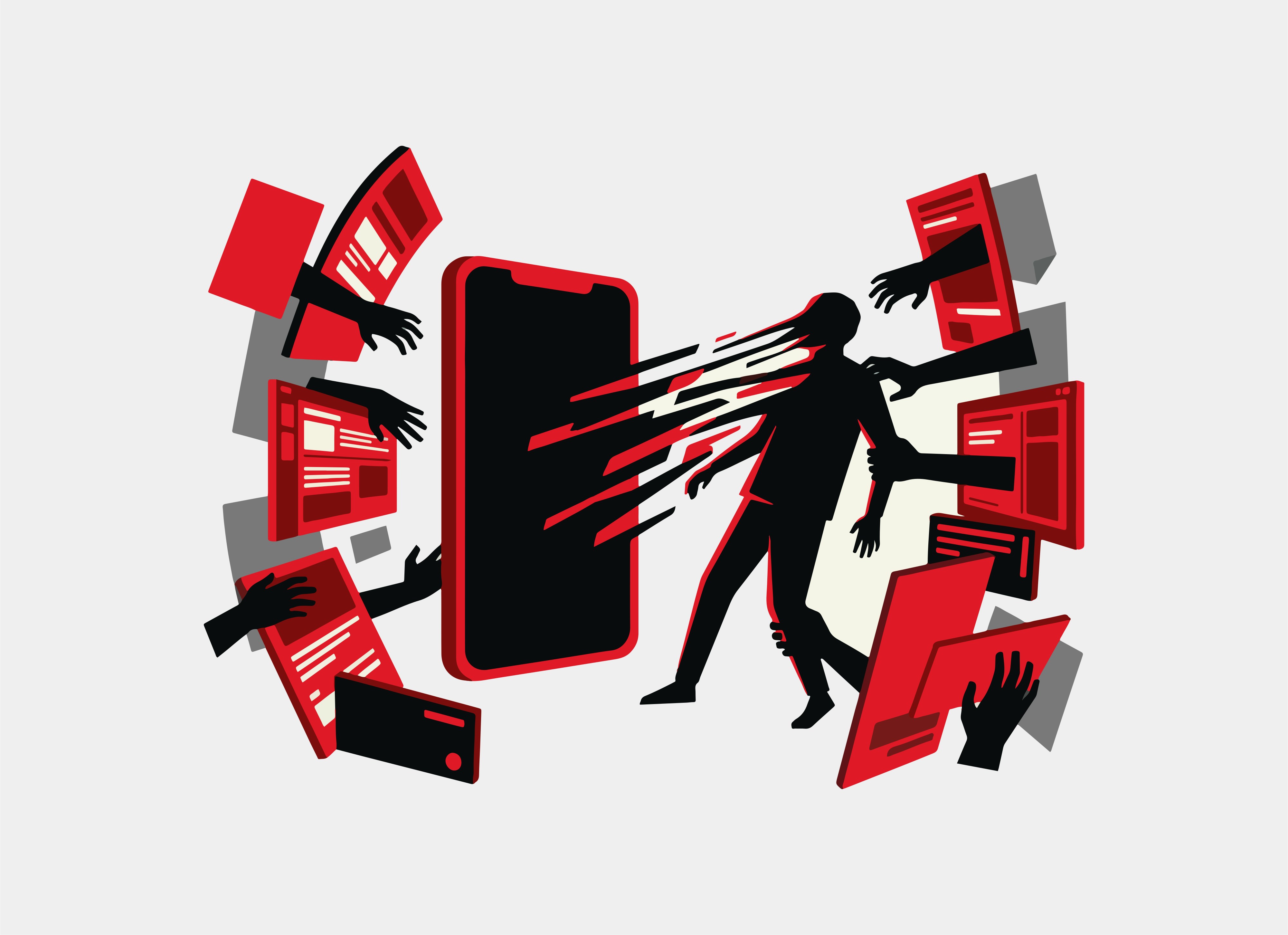
Through creator tactics and platform algorithms, these communities are prevalent in mainstream online culture and often attract engagement through outrage or ‘rage-bait’ tactics. Emerging in the early 2000s, the manosphere has become a part of mainstream online culture and has been explored through the 2025 TV series Adolescence and Louis Theroux’s 2026 documentary ‘Inside the Manosphere.’
Common groups linked to, or within the manosphere include1
- manfluencers or ‘life coaches’ who profit from targeting insecurities and offer information and advice on dating, fitness and finance.
- pick-up artists (PUAs) who offer dating advice built around power, manipulation, coercion and control.
- men’s rights activists (MRAs) who claim women’s rights have disadvantaged men and that society is dominated by feminine interests.
- incels (people who identify as ‘involuntarily celibate’) who believe that women deny them of their entitlement to sex.
- men going their own way (MGTOW) who believe society is against men and actively avoid all women and mainstream society.
Most groups, actors and influencers within the manosphere do not identify with the term itself and often do not view themselves as belonging to a single, interconnected movement.
Why are young people drawn to the manosphere?
Research tells us that it takes around nine minutes for 16–18-year-old boys to be recommended manosphere-related content2. Because manosphere content is embedded within broader online ecosystems, exposure can occur through seemingly unrelated interests such as humour and meme culture, fitness and wellness advice, gaming and streaming, dating and self-improvement advice3.
The manosphere can appeal to young men by tapping into:
- a desire for certainty, through simple explanations for complex societal issues
- a need for belonging, through communities that validate their experiences and frustrations
- questions about identity, purpose, role of, and what it means to be a man
- aspirations for success, strength and self-discipline4,5.
With the rising use of technology, social media, and algorithm-driven content, young people are more likely to be exposed to manosphere content. Young boys may be especially vulnerable during periods of uncertainty, insecurity, or social isolation, and may seek guidance, validation, and a sense of belonging within these online communities.

What’s harmful about the manosphere?
Impact on the health of young men
28% of boys aged 16-18 rate social media and online influencers as having a big impact on their ideas about masculinity6. Content shared in these online spaces may appear harmless at first. However, health information is often misinformed and can lead to more extreme messaging.
Masculinity is often described as being physically strong, stoic, powerful and dominant. Young men with intentions of trying to become physically fit, strong and healthy may find themselves in spaces that promote unrealistic standards of physical appearance or claim that men need to look a certain way to be successful.
The trend of ‘looksmaxxing’ has been linked with harmful health interventions, including:
- unregulated substance use
- testosterone use, also referred to as T-maxxing
- various peptides for skin enhancements, weight loss and muscle gain
- microdosing illegal substances such as methamphetamine
- cosmetic surgery including injectables and extreme procedures such as leg lengthening
- self-performed surgeries such as bone smashing.
Optimising physical appearance above general health and wellbeing is not only unnecessary, but dangerous.
Misogynistic attitudes and beliefs
The ‘manosphere’ promotes misogyny, traditional gender roles and reinforces rigid attitudes about how men and boys should behave and treat women and girls. This can negatively impact relationships with female family members, friends, peers, teachers and employers.
Recent research indicates that a significant proportion of younger people continue to hold concerning views about gender roles, despite broader social progress toward gender equality.
- 31% of Gen Z men believe a wife should obey her husband7.
- Gen Z and Millennial men are the most likely to agree to ideas of male sexual entitlement, whereas Gen Z females were twice as likely as Millennial and four times as likely as Gen X females to agree that marriage entitles a husband to sexual intercourse with his wife8.
Schools are reporting increased gender-based harassment, disrespect towards female staff and students, and the normalisation of misogynistic language and attitudes9. Female students report feeling unsafe in the classroom and teachers feel intimidated, undermined and in some cases, leaving schools or their teaching profession3. Male students report feeling uncomfortable with the behaviour but pressured to conform to these views or uncertain about how to challenge them3.
Violent behaviour
These concerning attitudes towards gender roles are occurring alongside an increase in violent behaviour, including sexual violence, raising broader concerns about respect, equality and safety.
- 23% of Gen Z males believe that feminism should be resisted with violence8.
- nearly 30% of all sexual assaults reported to police in 2024 were against girls between 10–17 years old. The number of sexual assaults recorded nationally in 2024 also increased by 10% from 202310.
- young men aged 15-19 have the highest offender rates of sexual violence11.
Some groups and influencers within the manosphere have been associated with the promotion of male supremacist views and the justification of harmful behaviours, including, but not limited to, gender-based violence family and domestic violence, sexual abuse and violent extremism8. A 2026 study shows that attitudes permissive of violence against women and misogynistic gender attitudes are the strongest predictors of support for violent extremism5. Some communities, such as extreme incel culture, intersect with or promote other hate-based and far-right ideologies, including homophobia, racism and acts of mass violence1.
Engagement with manosphere content alone is not an indicator that a young person will believe or act on violent extremist ideologies. However, exposure to and acceptance of some manosphere narratives may increase vulnerability to radicalisation5. The relationship may also function in the opposite direction, with those already susceptible to radicalisation being drawn to manosphere content and communities who reinforce their existing beliefs and worldview15.
What does this mean for schools?
These issues are not confined to boys and young men. They have far-reaching consequences for young people of all genders, particularly women and girls, and contribute to negative impacts across the wider school community, including for teachers and staff.
From research conducted with Australian teachers, in the past 12 months, 87.5% of teachers have noticed the influence of manosphere ideas on student attitudes and behaviour and 1 in 4 teachers frequently noticed the manosphere’s influence on students’ attitudes and behaviour9. 80% of respondents say sexism or misogyny has a negative impact on students’ wellbeing and 77% report a negative impact on staff wellbeing9.
What can school staff do?
Learn about the manosphere and look out for indicators
Some patterns of behaviour to be aware of include12,13
- Language and attitude
- use of manosphere jargon/slang language such as: ‘red pill’, ‘blue pill’, femoid, chad, alpha, hypergamy, simp etc. Some of these phrases are considered extreme or dehumanising
- talking as though from a script
- adoption of strict gender roles, and changes in attitudes and behaviour towards women and girls and amongst their peers
- increased arguing
- using degrading or sexist language or making jokes about violence, including sexual violence, against women.
- Online behaviour
- significant increase in amount of time spent online and/or secretive online behaviour
- frequent visits to forums or pages
- Social and emotional changes
- withdrawal and isolation – skipping school, spending more time online and less with family and friends
- victim mentality - where they see themselves as victims of women, feminism and society and blame their difficulties on the rise of equal rights
- an 'Us vs Them' mentality
- increase in feelings of frustration, anger or intolerance
- secretive behaviour or hiding information about meeting people
- Interests and role models
- admiration for popular figures of the manosphere and disdain for those who promote gender equality or progressive values
- reading/watching/listening to violent content or extremist material
- an intense political, ideological or religious interest
- Reactions to criticism
- dismissal of opposing views
- reinforcement of echo chambers
- Physical changes
- changes in diet and exercise to look a certain way – including a desire to increase testosterone levels and fibre intake
- desire to look a certain way with particular focus on areas such as jawline and build
- general changes in appearance through clothing and grooming
Some of these shifts may be common among teenagers and not a cause for concern. There may also be other explanations for these behaviours, including other struggles or reactions to life changes. If these changes are combined with advocacy of violence and aggression as a way of achieving change, then you can get in touch with Step Together to discuss your concern and get connected with local available support Contact Step Together .
Approach with empathy and curiosity
When having conversations with students about the manosphere and misogynistic beliefs, try demonstrating empathy and curiosity rather than confrontation, criticism and judgement. Students are more likely to respond respectfully when there is a trusting relationship with the teacher or school staff member.
Creating opportunities for respectful discussion can help students critically reflect on the content they are consuming, question whether claims are evidence-based or simply opinions and recognise when harmful stereotypes or misinformation are being presented as fact.
Ask questions such as:
- what do you like about that content?
- how did you come across that?
- what do you think it means?
- do you think everyone sees it that way?
- what would you say if someone said that about your sister/mum/friend?
Encouraging students to explain and unpack common talking points can help expose assumptions, identify harmful messages and consider who benefits from promoting these narratives. This approach supports critical thinking, strengthens digital literacy, and can be more effective in challenging harmful beliefs than confrontation alone.
When these interactions with young people arise, consider some of the below reflection questions to help guide your response13:
- is anyone harmed?
- does it breach policy?
- are students reacting? Was the intention to cause a reaction?
- does this need an individual or class response?
- can I challenge misconceptions? Will this make anyone defensive?
- what are the facts? Are these appropriate to share?
It is important to be patient. Attitude change often takes time and a trusting relationship.
Be mindful of your own boundaries and duty of care. If a conversation becomes harmful or inappropriate, clearly communicate that the behaviour is not acceptable and that you are unable to support it. Consistently following your school's policies and procedures helps to ensure that both students and staff feel safe, respected and supported.
Promote respectful relationships and positive role models
Teachers and schools can help counter harmful online influences by promoting positive and diverse role models that demonstrate respectful, healthy and inclusive expressions of masculinity.
- highlight examples of men who show empathy, growth and emotional intelligence. Consider well-known people, like athletes and actors, as well as fictional characters.
- challenge narrow or harmful stereotypes about what it means to be a man and what it means to be a woman.
- reinforce healthy relationship behaviours by identifying and discussing examples of consent, communication and equality within existing respectful relationships education.
Encourage students to challenge gender stereotypes and recognise help-seeking as a sign of strength. Help-seeking can support positive wellbeing, build resilience, and foster healthier relationships with peers, family members and the broader community.
Demonstrate empathy in both your words and actions and use reflective questioning to encourage consideration of how another person’s perspective or circumstances may affect the way they experience or respond to a situation.
Build safer online habits
Teachers can support students to develop safer online habits by helping them understand how social media algorithms work and how online content can influence beliefs and behaviours over time.
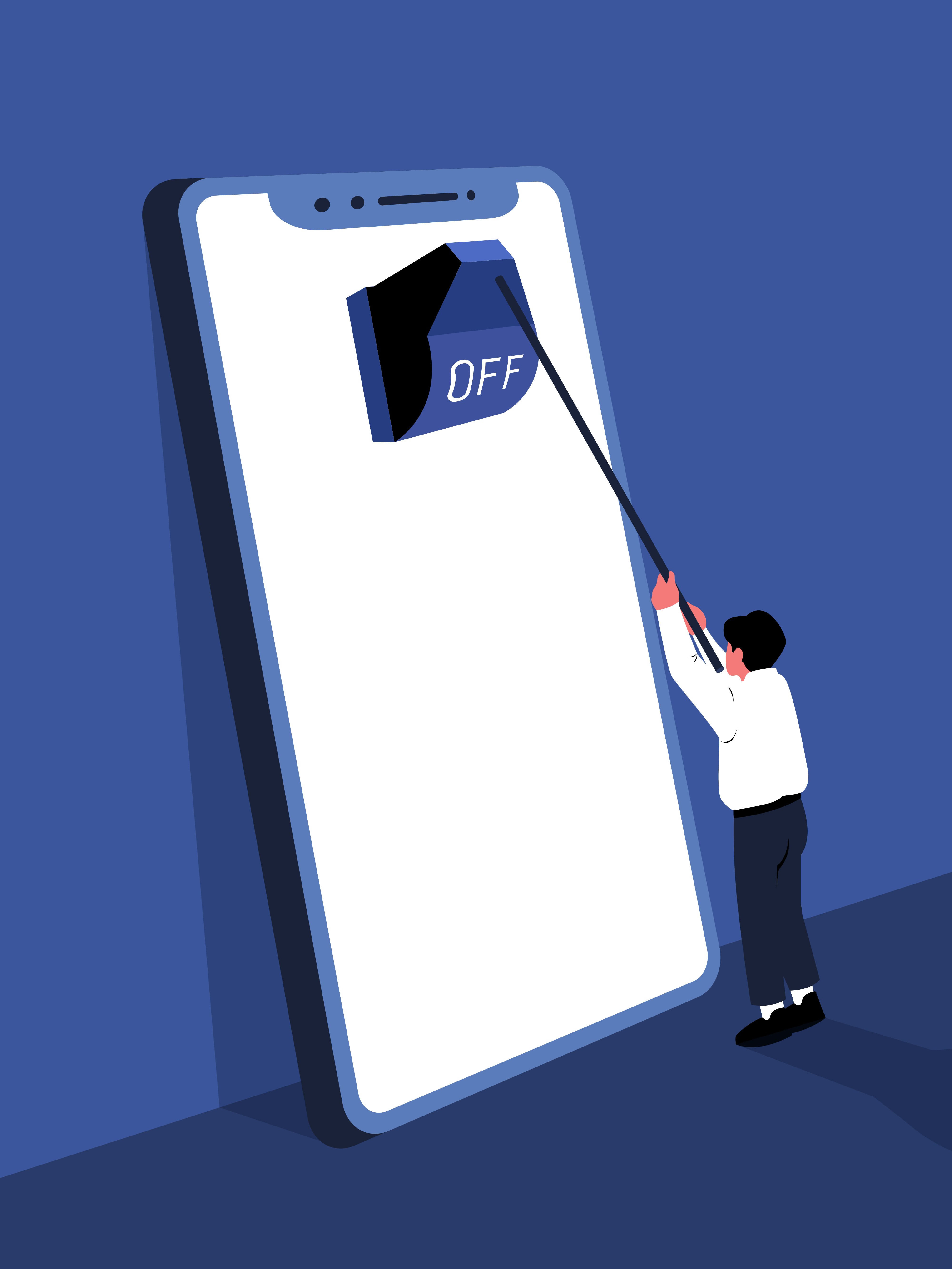
- encourage students not to engage with provocative or divisive content, often referred to as "rage bait", and instead scroll past it can reduce its visibility in their feeds
- support students to modify their online content and reset or retrain their algorithm to help limit exposure to harmful messaging
- suggest other content creators or communities that focus on similar topics without harmful rhetoric and misogyny
- introduce information about the manosphere at age and developmentally appropriate stages to support with education and prevention. AMAZE videos are a useful resource for primary and lower secondary students.
Build critical digital media literacy
Consider the broad range of topics (relationships, communication, consent, gender and roles, body image) within RSE for developing skills in critical digital media literacy and incorporate activities, including research tasks and critical questioning into lessons.
Analyse examples of manosphere content with young people and help them to identify manipulative tactics.
Consider specific questions about online misogyny or harmful content14:
- do I want to see this content?

- how is this making me feel?
- is this meant for people my age?
- what are the influencers motivations?
- is this helping or hindering an audience?
- what might other views on this topic be?
- do my own experiences challenge the points made?
Whole school approach
Creating meaningful change is not the responsibility of individual teachers alone. A whole-school approach is essential to effectively address, respond to and prevent the harms associated with online misogyny and manosphere influences.
Policies and resources
Schools should review and strengthen policies to explicitly address harassment, misogyny and gendered violence, ensuring expectations for respectful behaviour are clear for all students and staff. Policies should be supported by clear and consistent procedures for reporting, responding to and managing incidents, to allow for prompt and effective measures. This approach should extend beyond student behaviour policies to include workplace policies that protect teachers and school staff from harassment, intimidation and gender-based misconduct, helping to create a safe and respectful learning and working environment.
School curriculum
A whole-school approach can be strengthened by identifying cross-curricular opportunities to build students’ critical thinking and media literacy skills15. In English, students can examine stereotypes, representation and power dynamics in media and popular culture. In Mathematics, they can explore the principles underpinning algorithms and how digital content is prioritised and distributed online. Humanities subjects provide opportunities for critical analysis of social health and political campaigns, media messaging and historical narratives, while Science can support students to evaluate the credibility of scientific information and recognise misinformation, particularly in relation to health and wellbeing.
Professional learning
Direct teachers, school staff, parents and carers to ongoing professional learning to strengthen their understanding of the online environments young people navigate and their capacity to respond effectively. These include resources such as webinars and online tools provided by the eSafety Commissioner.
Parents and families
Support families and carers with information on digital literacy, online safety and wellbeing. Host information sessions, or workshops focused on increasing knowledge of online spaces and developing skills in talking to young people about misogyny and harmful content found online.
- Parent's Toolkit: Talking with our Teen Sons About Influencers Online
- Tips for how parents can talk to boys and young men about the manosphere - ABC News
- Decoding & Discussing the Manosphere | Teach Us Consent
Wider school community
Build relationships with relevant local agencies and support services in the wider school community. Agencies and organisations that deliver sessions or services centred around respectful relationships, men’s health, emotional and social wellbeing and mental health can be useful approaches for engaging young people and connecting them to community.
Resources
Support Services:
- Step Together is a helpline and digital support service for people seeking advice on how to support loved ones and protect them from negative violent extremist interest.
- SECCA offer education and counselling for people with disabilities.
Agencies:
- Tomorrow Man
- Teach Us Consent
- Respect.gov.au
- This is Manly
- Movember
- The Man Cave
- eSafety Commissioner
- Our Watch
Guides/toolkits:
- Talking To Boys About Being 'A Man' | The Line | Our Watch Campaigns
- An Introductory Guide to the Manosphere and the Impacts for Young People, Teachers and Schools
- The manosphere: What it is and what parents and carers need to know | eSafety Commissioner
- eSafety Commissioner - Being a young man online
- eSafety Commissioner – Supporting young men online
- Prototype - This is Manly Accidental Role Model Playbook
- Manosphere Toolkit – amaze
- Decoding & Discussing the Manosphere | Teach Us Consent
This Background Note relates to the following Learning Activities
References
- UN Women Australia. What is the manosphere and why should we care? Accessed September 3, 2026. https://unwomen.org.au/
- Baker C, Ging D, Brandt Andreason M. Recommending Toxicity: The Role of Algorithmic Recommender Functions on YouTube Shorts and TikTok in Promoting Male Supremacist Influencers. FUJO Media; 2024. Accessed September 3, 2026. https://fujomedia.eu/site/assets/files/2047/dcu-toxicity-full-report.pdf
- Roberts S, Del Rio Reddan M, Thomas-Parr G, Wescott S. The reanimation of normative manhood acts in schools: teachers' accounts of boys' manosphere-aggravated misogyny. Gender Educ. 2026. Accessed September 3, 2026.
- Pfitzner N, McCook S, Phelan A, Wescott S, Roberts S, Scott B. An Introductory Guide to the Manosphere and the Impacts for Young People, Teachers and Schools. Published 2026. Accessed September 3, 2026. https://doi.org/10.71940/1h2k-x058
- Fisher K, Rice S, Seidler Z. Young Men's Health in a Digital World. Melbourne, Australia; 2025. Accessed September 3, 2026. https://uk.movember.com/movember-institute/masculinities-report
- The Men's Project. The Adolescent Man Box: Findings From a Survey With Australian Adolescents Aged 14-18 Years. Jesuit Social Services; 2024. Accessed September 3, 2026. https://jss.org.au/programs/the-adolescent-man-box/
- Ipsos. International Women's Day Study. Published 2026. Accessed September 3, 2026. https://www.ipsos.com/en/international-womens-day-2026
- Meger S. Misogyny, Online Radicalisation, and Youth Extremism in Australia. Research Report. The University of Melbourne; June 2026.
- Australian Bureau of Statistics. Recorded crime - victims, 2025. Australian Bureau of Statistics. Published 2025. Accessed September 3, 2026. https://www.abs.gov.au/statistics/people/crime-and-justice/recorded-crime-victims/latest-release
- Australian Bureau of Statistics. Recorded crime - offenders, 2023-24. Australian Bureau of Statistics. Published 2025. Accessed September 10, 2026. https://www.abs.gov.au/statistics/people/crime-and-justice/recorded-crime-offenders/2023-24
- Wescott S, Roberts S, Bingley W, Greig J, Failla M, McMillan N, Pfitzner N, Hamlett S. Duty of Care: Teachers' Experiences of Sexism, Misogyny and Sexual Harassment in Australian Schools. Monash University; 2026. doi:10.26180/32942816
- Educate Against Hate. The Manosphere. Version 1.2. Educate Against Hate; 2025. Accessed September 8, 2026. https://www.educateagainsthate.com/wp-content/uploads/2025/11/Manosphere-V1.2-1.pdf
- PSHE Association. Online Misogyny and the Manosphere: Teacher Guide. PSHE Association; 2025. Accessed September 8, 2026. https://20248256.fs1.hubspotusercontent-na1.net/hubfs/20248256/Guidance/Documents/Online%20misogyny%20and%20the%20manosphere%20%5BTeacher%20guide%5D.pdf
- Wescott S, Roberts S. Schooling Misogyny: Exposing and Eliminating the Influence of the Manosphere in Education Settings. 1st ed. Routledge; 2026. doi:10.4324/9781003630364
- Step Together. Signs of violent extremism. Updated August 11, 2026. Accessed September 16, 2026. https://steptogether.gov.au/violent-extremism/signs-of-violent-extremism.html